
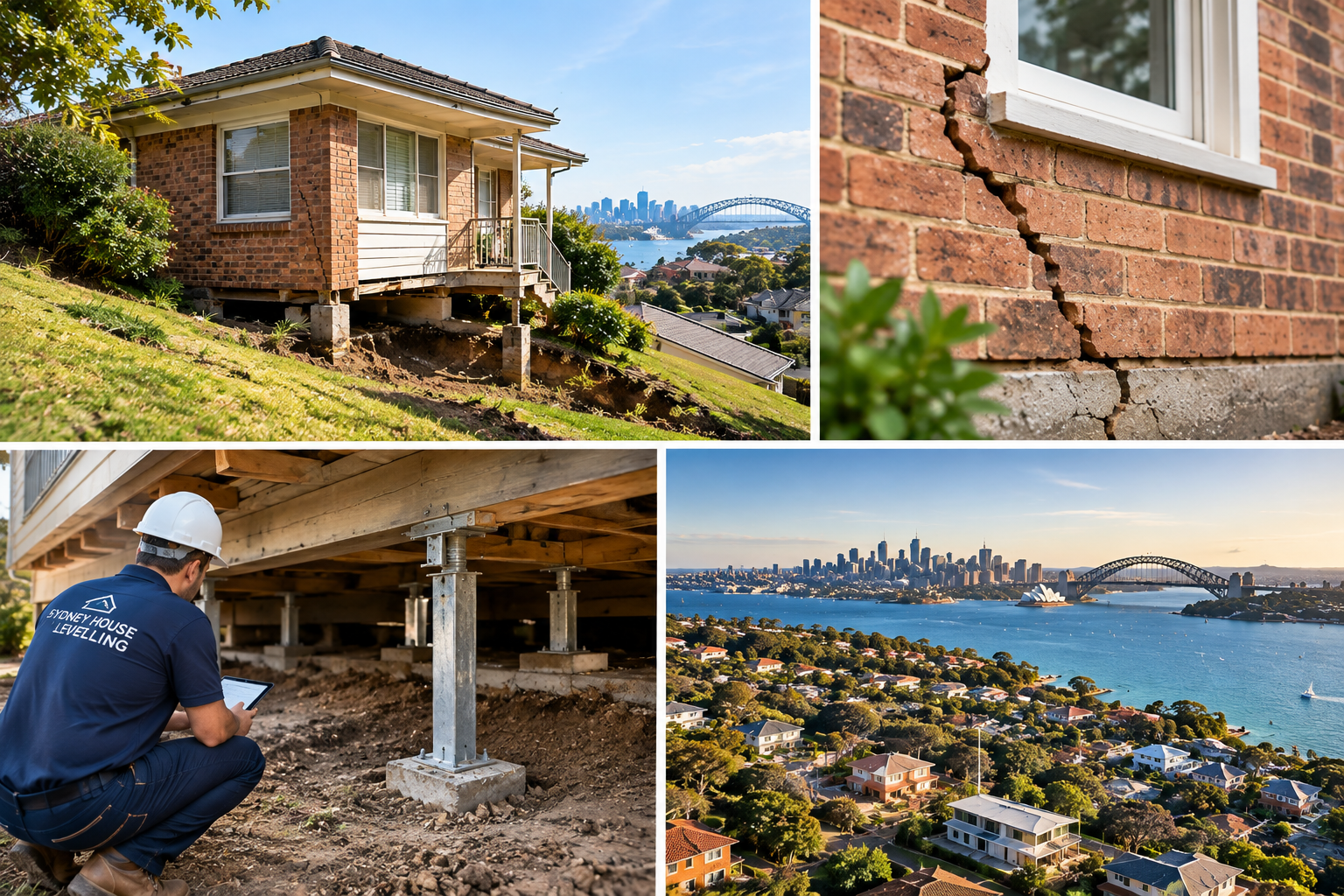

Drought followed by heavy rain can trigger soil movement, foundation damage and house cracks in Sydney. Learn the warning signs and repair options with Sydney House Levelling.
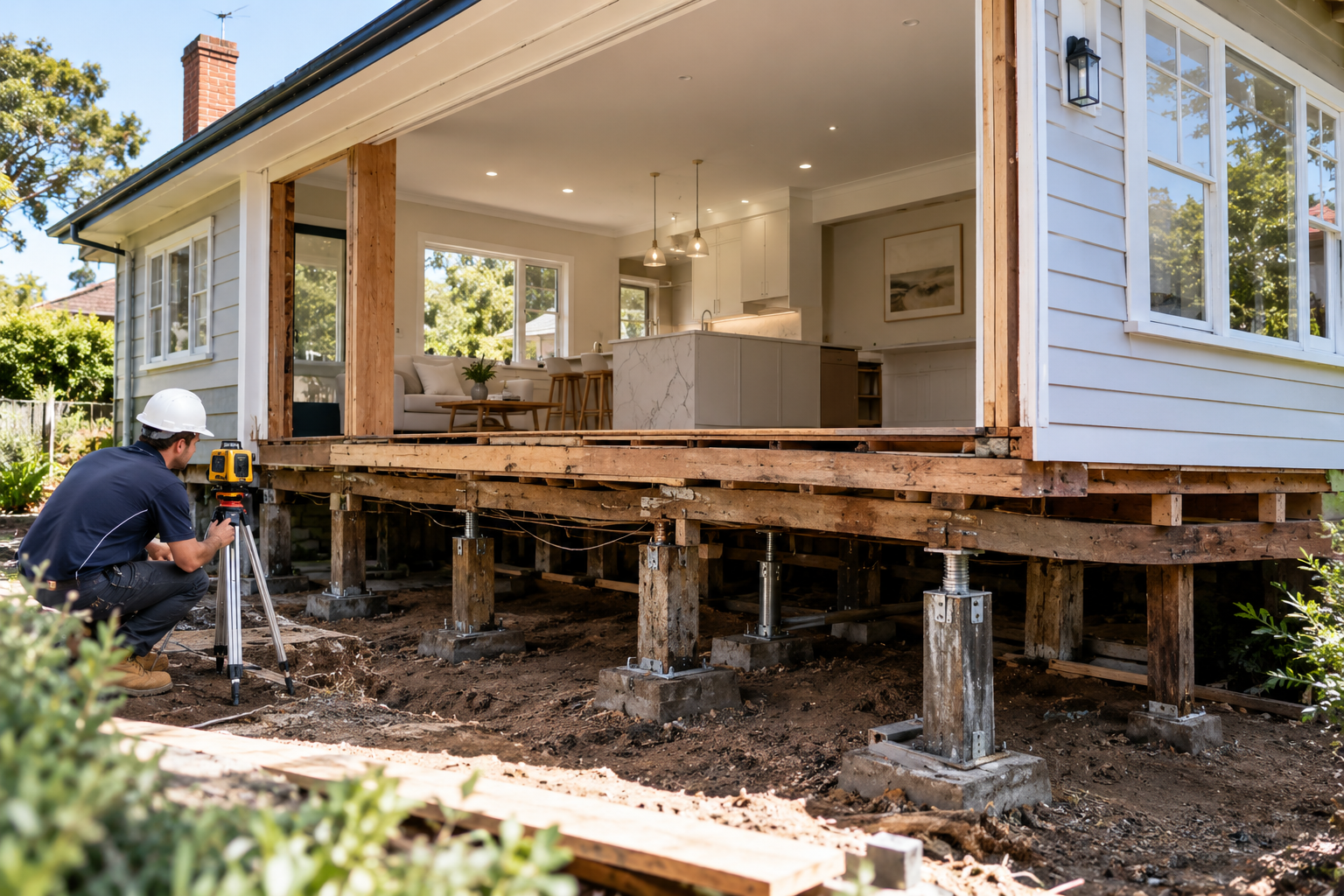
Planning a home renovation in Sydney? Discover why resolving a moving foundation must come first, the risks of rushing, and how professional underpinning protects your investment.
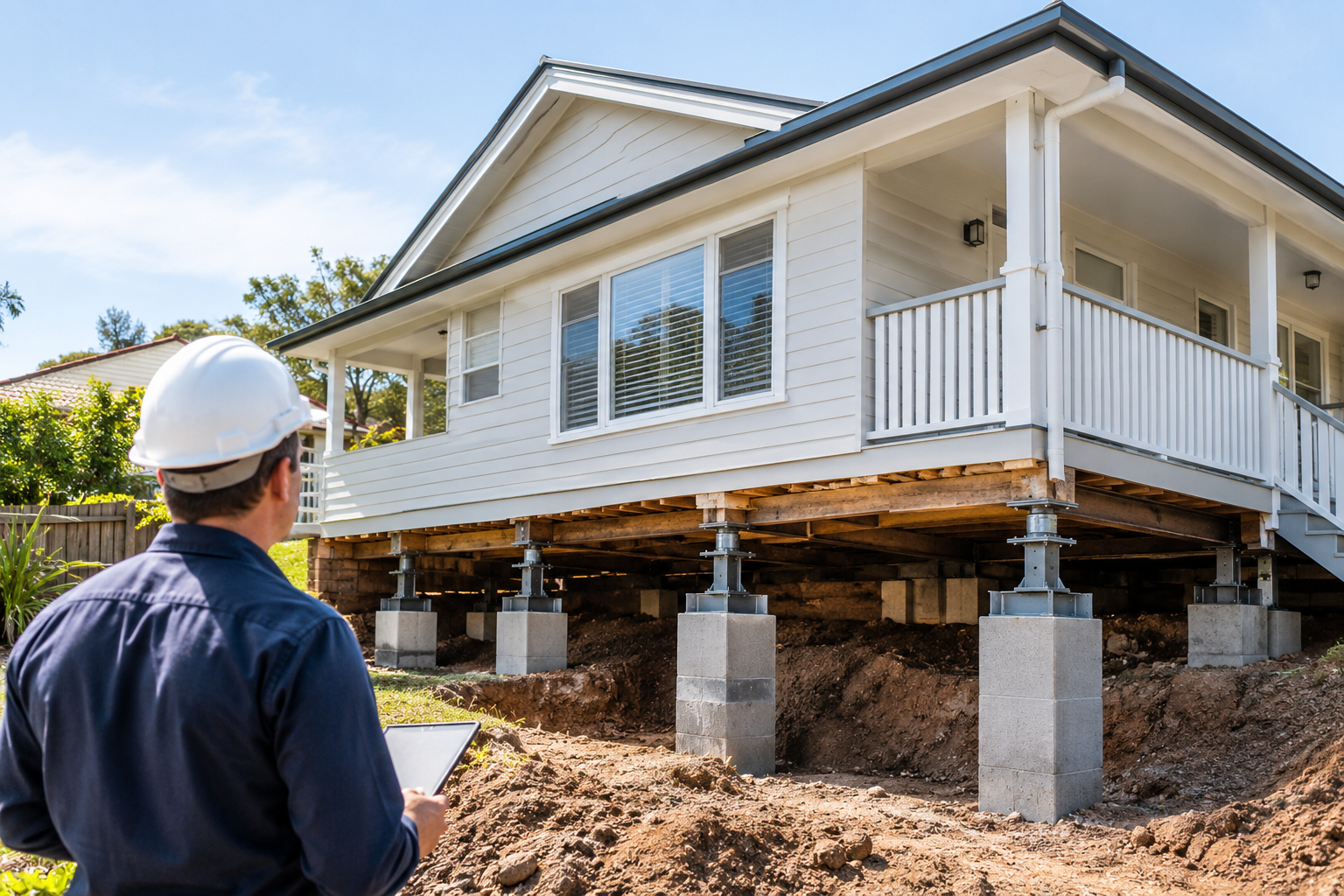
Think you need whole-house underpinning? Learn how foundation movement, soil conditions, and structural damage determine whether you need targeted underpinning or foundation repair in Sydney.
Introduction Your Sydney home is one of your most valuable investments but what if its foundation is silently shifting beneath your feet? Many homeowners notice minor issues such as sloping floors in Sydney homes, doors that stick, or small cracks appearing on walls, but often dismiss them as cosmetic. Unfortunately, these signs are often early indicators of foundation movement, a problem that can escalate into costly structural repairs if ignored. The hidden cost of ignoring foundation issues is staggering. Homeowners in Sydney may face repairs running into tens of thousands of dollars, property devaluation, and even safety hazards. That’s why early intervention through house levelling and underpinning is crucial. With proactive assessment and treatment, you can maintain the integrity of your home, enhance its resale value, and avoid emergency repair bills. In this article, we’ll explore the causes of foundation movement in Sydney homes, highlight the critical early warning signs, and explain why investing in house levelling Sydney and underpinning Sydney solutions from experienced professionals like Sydney House Levelling is a smart move. Whether you’re renovating, selling, or simply maintaining your property, this guide will help you make informed decisions that protect your home and your wallet. Blog Overview Learn why ignoring foundation movement in Sydney homes can lead to massive costs. Discover the early warning signs of structural issues like uneven floors, sticking doors, and wall cracks. Understand how house levelling , underpinning , and foundation assessment prevent long-term damage. Real-life insights: case study from a Sydney homeowner who delayed levelling. Practical advice on costs, timelines, and choosing a licensed house levelling builder in Sydney. Clear action steps: how to schedule a free foundation assessment Sydney and protect your investment. Why Foundations Move in Sydney Homes Sydney’s unique geology plays a significant role in foundation issues. Many homes are built on reactive clay soils, which expand when wet and contract during dry periods. Over time, this can lead to subsidence and uneven floors Sydney homeowners often notice. Other common causes include: Poor drainage systems that allow water to pool near foundations. Tree roots absorbing soil moisture unevenly, causing shifting. Ageing timber stumps in older homes that weaken under pressure. Nearby construction or heavy traffic, which can subtly affect soil stability. Understanding these causes helps homeowners identify the early warning signs and act before minor issues become major structural problems. Early Warning Signs of Foundation Movement Recognising foundation movement early is critical. Here are key signs Sydney homeowners should watch for: Uneven or Sloping Floors Floors that slope, dip, or appear uneven are one of the most common indicators. Test by rolling a ball or using a spirit level to detect slanting surfaces. Sticking Doors & Windows Doors and windows that stick or don’t close properly may indicate shifting frames. Cracks in Walls & Ceilings Vertical or diagonal cracks near corners or above windows often suggest foundation movement Sydney. Pay extra attention to cracks in walls foundation movement Sydney. Gaps Around Skirting or Cornices Expanding gaps indicate subfloor or foundation shifts. Ignoring these signs may lead to structural repair Sydney homes, which is significantly more expensive than early house re-levelling Sydney. The True Cost of Waiting Many homeowners delay action, thinking foundation movement is minor. Unfortunately, postponement can result in: Escalating repair costs : Early foundation assessment Sydney can cost a few hundred dollars; waiting can mean foundation repair cost Sydney vs early intervention jumps into tens of thousands. Safety hazards : Weakening foundations risk ceiling collapses, wall failures, or door/window misalignment. Property devaluation : Homes with visible cracks or uneven floors are harder to sell. Increased insurance complications : Some insurers may reduce coverage or reject claims if issues are ignored. Proactive intervention like house levelling Sydney or underpinning Sydney provides peace of mind and long-term savings. House Levelling & Underpinning Solutions in Sydney Professional house levelling and underpinning are designed to stabilise your property: House Levelling Corrects sloping floors in Sydney homes using hydraulic jacks or piers. Restores the home’s original alignment and prevents further movement. Underpinning Reinforces foundations by installing additional supports beneath the structure. Ideal for subsidence repair Sydney or homes with significant foundation movement. Sydney House Levelling specialises in: Licensed, insured, and experienced builders. Subfloor works, ventilation, and damp prevention for Sydney homes. Free foundation assessment Sydney, ensuring accurate diagnosis before starting repairs. Real-Life Case Study A homeowner in Castle Hill noticed sloping floors and small cracks in her living room walls. Initially, she ignored them. Within a year, she faced major structural repair Sydney homes, costing over $35,000. After contacting Sydney House Levelling, we performed a thorough foundation assessment Sydney, followed by underpinning and house re-levelling before renovation Sydney. The home was restored to stability, avoiding further damage and safeguarding her property value. This example highlights the importance of acting early and trusting licensed house levelling builders Sydney. How to Protect Your Sydney Home Schedule a free foundation assessment Sydney with reputable professionals. Monitor for early warning signs like doors sticking house shifting Sydney or cracks in walls foundation movement Sydney. Don’t delay levelling or underpinning cheap house levelling Sydney cost is often far lower than emergency repairs. Consider subfloor works, ventilation, and damp solutions Sydney homes to prevent future issues. Maintain proper drainage and soil moisture around your home. Conclusion Ignoring foundation movement in Sydney homes can be a costly mistake. From sloping floors and sticking doors to major structural failures, the hidden costs quickly escalate. Early action through house levelling Sydney and underpinning Sydney not only preserves your home’s integrity but also saves thousands in future repairs. With the expertise of Sydney House Levelling, homeowners can confidently address foundation issues Sydney, perform subsidence repair Sydney, and prevent long-term structural damage. A free foundation assessment Sydney is the first step toward protecting your home, ensuring safety, and maintaining property value. Don’t wait for cracks to widen or floors to tilt act today. Schedule a consultation, share this guide with fellow homeowners, or subscribe for expert advice. Your home deserves proactive care, and with Sydney House Levelling, you can secure peace of mind and long-term savings.
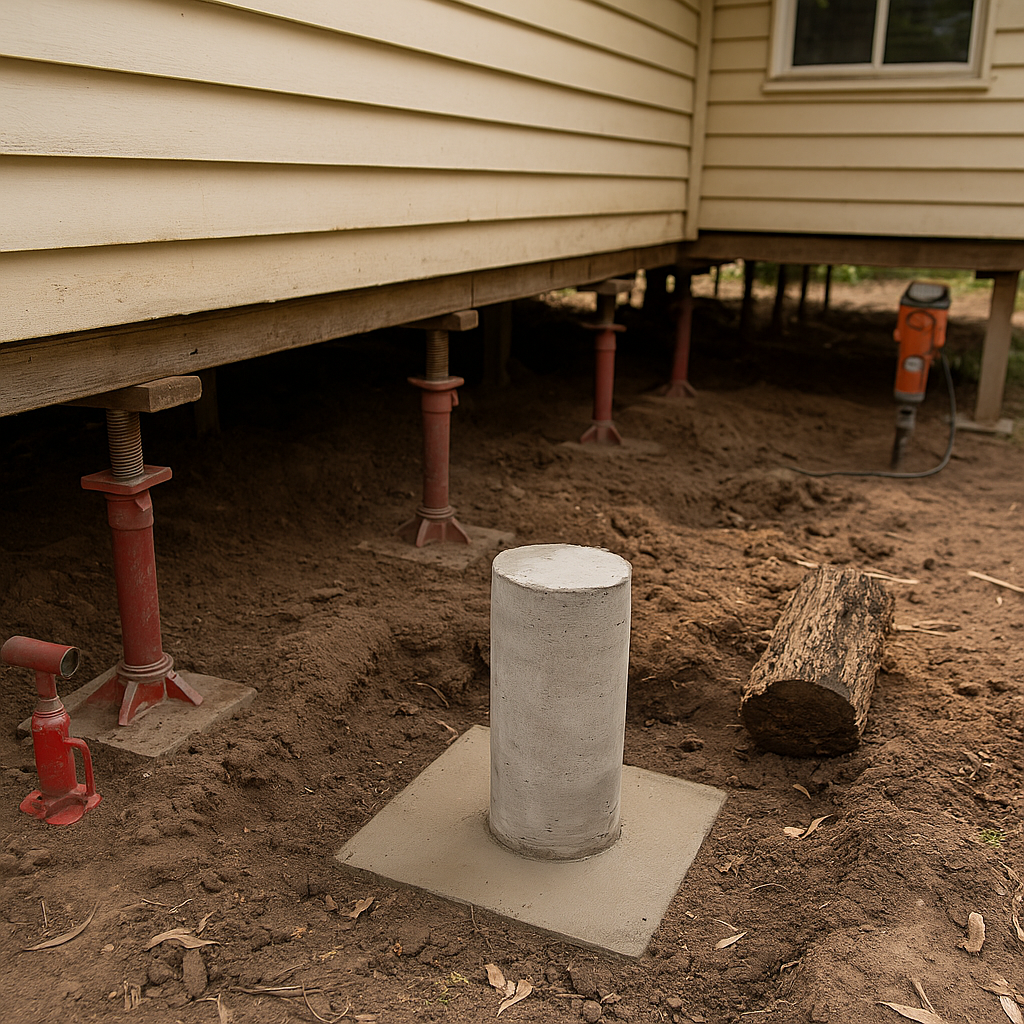
Protect your Sydney home from costly foundation damage. Learn early warning signs & why house levelling & underpinning saves thousands.

Overview Beneath the beauty of Sydney’s skyline and the bustle of its vibrant suburbs lies a problem many homeowners don’t see coming: foundations quietly sinking. Over the next five years, experts predict that thousands of Sydney homes will require leveling as soil shifts, foundations weaken, and climate pressures mount. This isn’t just a matter of aesthetics or minor inconvenience. A sinking home threatens safety, reduces property value, and can lead to repair costs spiraling out of control. The good news? With timely intervention and the right Sydney House Leveling services, homeowners can restore stability and prevent irreversible damage. In this guide, we’ll unpack: The hidden reasons Sydney homes are sinking faster than expected. The tell-tale warning signs of foundation issues. The risks of delaying Sydney House Leveling. Professional solutions to restore and secure your home. A real-world case study of Sydney House Leveling in action. How to protect your property now and into the future. Why Are Sydney Homes Sinking? Sydney’s foundations are literally shifting. This isn’t a sensational claim its science. The city’s geology plays a major role in this problem. Many Sydney suburbs are built on clay-rich soils, which expand during heavy rain and contract dramatically during drought. This constant movement places enormous stress on foundations. Combine this with: Ageing housing stock – homes built decades ago are especially vulnerable. Rapid urban expansion – construction and excavation nearby can destabilize soil. Climate change – harsher droughts followed by heavy rainfall intensify soil movement. The result? Homes shift unevenly, leading to sinking sections, cracking walls, warped frames, and sloping floors. Engineers estimate that within five years, a growing number of Sydney homes will need Sydney House Leveling just to remain safe and habitable. The Warning Signs of a Sinking Home Not every crack in your wall is cause for alarm but some are clear red flags. Knowing what to look for can make the difference between a simple repair and a costly rebuild. Key warning signs include: · Diagonal cracks around doors and windows: These usually signal uneven foundation movement. · Sloping floors or uneven surfaces: If furniture looks off-kilter, it’s often not your eyes it’s the floor. · Doors and windows that stick or jam: Shifting frames mean shifting foundations. · Gaps forming between walls and ceilings or skirting boards and floors. · Noticeable sinking at the base of the home: Often visible along external walls. If these symptoms appear, it’s time to call a Sydney House Leveling professional for a thorough inspection. Early action is always cheaper and safer. The Risks of Ignoring Foundation Problems When it comes to foundations, procrastination is costly. Homeowners who delay leveling services often face escalating damage that’s more expensive and disruptive to fix. 1. Safety Risks A sinking foundation compromises the structural integrity of your home. Walls can buckle, floors collapse, and in severe cases, parts of a home may become uninhabitable. Families are put at risk every day the issue goes unchecked. 2. Reduced Property Value Visible foundation damage instantly devalues property. Cracks, gaps, and uneven floors deter buyers and make selling extremely difficult. Even if a sale goes through, expect reduced offers and tough negotiations. 3. Soaring Repair Costs What starts as a $10,000 leveling project can balloon into $80,000+ if ignored. Left unchecked, foundation issues can demand major reconstruction or total rebuilds. 4. Insurance Complications Many insurance policies exclude damage caused by gradual soil movement. Failing to address signs promptly may leave homeowners footing the full repair bill. Sydney House Levelling carried out early can prevent claims being denied. Professional Sydney House Leveling Solutions Not all foundation problems are created equal, and neither are the solutions. That’s why professional assessment is crucial. Sydney House Leveling experts use advanced methods tailored to the property’s soil type, foundation design, and level of damage. Common Solutions Include: Underpinning: Extends foundations deeper into stable soil layers. Best for serious structural sinking. Resin Injection: Expanding resin is injected under foundations, lifting and re-levelling the home. It’s less invasive and highly effective for moderate sinking. House Raising & Restumping: For older homes with timber stumps, this process involves lifting the house and replacing deteriorated stumps with durable materials. Each of these techniques restores balance and provides long-term protection against future soil movement. A professional Sydney House Leveling team will recommend the most cost-effective and reliable option for your property. Case Study: Western Sydney Family Saves Their Home In 2023, a family in Western Sydney noticed their living room wall developing cracks. At first, they dismissed it as cosmetic damage. But soon, doors jammed, and the floor tilted noticeably. Alarmed, they contacted a Sydney House Leveling service. Inspection revealed that the front half of their home had sunk 40mm due to soil shrinkage. Engineers acted quickly, using a combination of resin injection and underpinning to stabilize the structure. The entire project was completed in under three weeks. The family avoided a potential $120,000 rebuild and restored peace of mind. Their experience highlights a powerful lesson: acting quickly with Sydney House Leveling is always cheaper and safer than waiting. How to Protect Your Property Before It’s Too Late Foundation problems may feel overwhelming, but prevention and early action make all the difference. Here’s how homeowners can stay ahead: Schedule routine inspections: Older homes (20+ years) should be checked every few years. Monitor visible cracks: Take photos and track their progression. Fix drainage issues promptly: Ensure water flows away from your home’s foundations. Avoid DIY fixes: Cosmetic patching won’t address underlying structural movement. Consult experts early: A quick call to a Sydney House Leveling team can prevent tens of thousands in damages. The Future of Sydney Housing Stability Sydney’s foundation crisis isn’t going away, it's growing. Climate experts warn that soil instability will worsen as weather patterns intensify. Longer droughts followed by heavy rainfall will stress foundations beyond their limits. Over the next five years, demand for Sydney House Leveling services will soar. Waiting until cracks become catastrophic is no longer an option. Homeowners who act now will secure both their family’s safety and the long-term value of their property. Conclusion: Don’t Wait Until It’s Too Late Sydney’s sinking secret is out: thousands of homes are on unstable ground, and time is running out to act. What may look like a minor crack today could become a collapsed floor or unstable wall tomorrow. The solution lies in timely, professional intervention. With expert Sydney House Leveling services, homeowners can: Restore their home’s stability. Safeguard their family. Protect property value. Avoid astronomical repair costs. If you’ve noticed warning signs or want peace of mind now is the time to book a professional inspection. Don’t let your most valuable asset slip away beneath your feet.
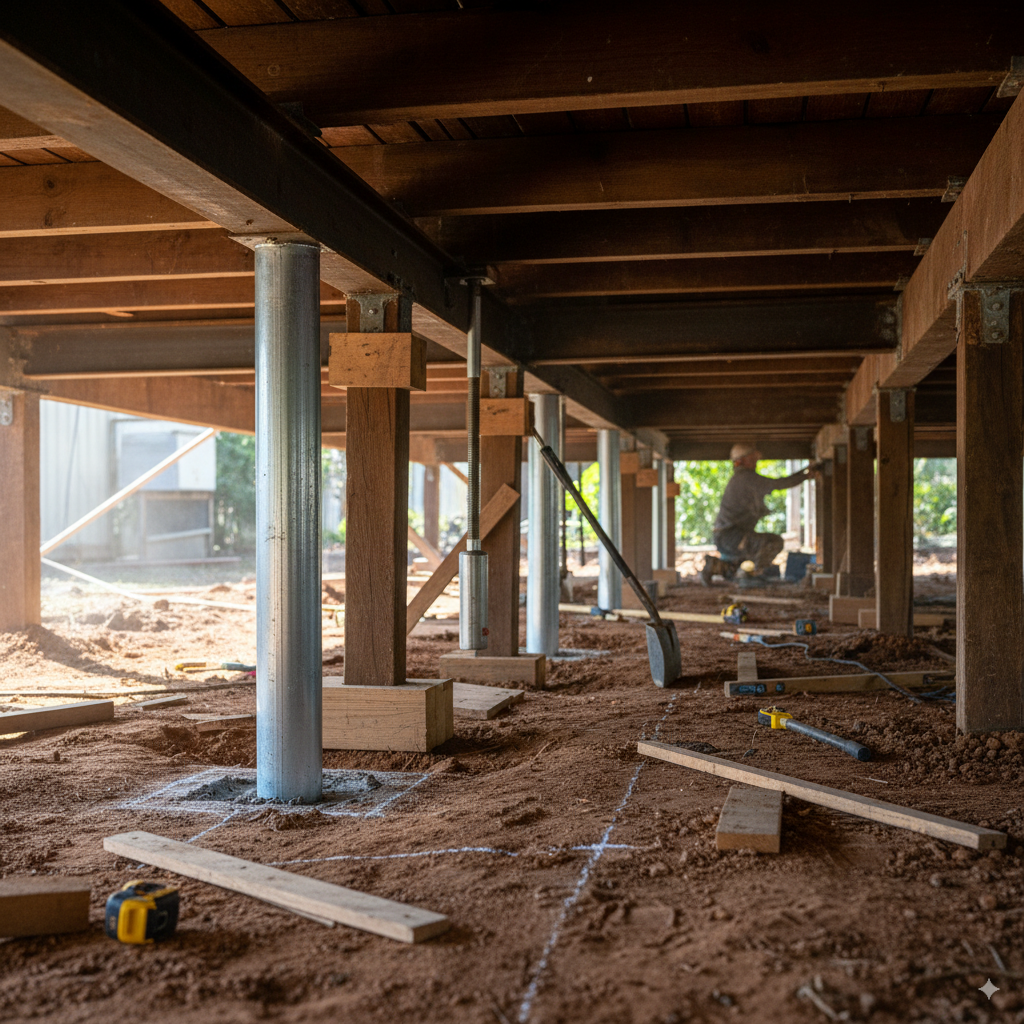
Your home’s foundation is the backbone of its structure. When something goes wrong beneath the surface, the entire building can be affected — from uneven floors and wall cracks to sticking doors and windows. That’s where a professional foundation assessment comes in. If you’ve noticed signs of movement or damage, a foundation assessment can help uncover the real cause before it turns into an expensive repair. What Is a Foundation Assessment? A foundation assessment is a detailed inspection carried out by a specialist to evaluate the condition and stability of your home’s foundation. The process involves examining visible symptoms, measuring floor levels, checking for cracks, and identifying areas of structural movement. At Sydney House Levelling, our assessments go beyond surface checks. We look at soil conditions, drainage issues, and the overall impact on your property to determine whether the problem is cosmetic or structural. What Happens During a Foundation Assessment A typical foundation assessment includes: A visual inspection of interior and exterior walls for cracks or movement Floor level measurements to identify sloping or uneven areas Checking doors, windows, and ceilings for alignment issues Examining the subfloor, stumps, and footings for signs of deterioration Assessing moisture levels and drainage around the home After the inspection, you’ll receive a detailed report outlining the findings, the likely causes of any movement, and recommended repair options. Why You Need a Foundation Assessment Foundation issues can develop slowly and often go unnoticed until significant damage occurs. Getting an assessment early helps you: Identify potential structural problems before they worsen Prevent costly repairs by addressing small issues early Understand the true condition of your home before buying or selling Gain peace of mind knowing your home is safe and stable Ignoring the warning signs of foundation movement can lead to serious consequences — from uneven floors and cracked brickwork to water damage and loss of property value. When Should You Schedule One? You should book a foundation assessment if you notice: Cracks in walls, floors, or ceilings Sloping or bouncy floors Gaps around doors, windows, or skirting boards Moisture or drainage issues near your foundation Visible separation in exterior walls or brickwork Even if you’re not seeing major issues, it’s wise to have a routine assessment every few years, especially in Sydney’s clay soil regions where foundation movement is common. Why Choose Sydney House Levelling At Sydney House Levelling, we specialise in comprehensive foundation assessments and repairs. Our experienced team uses advanced equipment and proven levelling techniques to identify issues accurately and provide lasting solutions. We offer: ✅ Expert foundation inspections ✅ Honest, detailed reports ✅ Tailored repair and levelling solutions ✅ Transparent pricing and local experience Book Your Foundation Assessment Today Don’t wait until the cracks widen or the floors tilt further. If you suspect your home’s foundation may be shifting, contact Sydney House Levelling today. Our experts will assess your property and help you take the right steps to restore safety and stability. 📞 Call us now or book your free foundation assessment online .
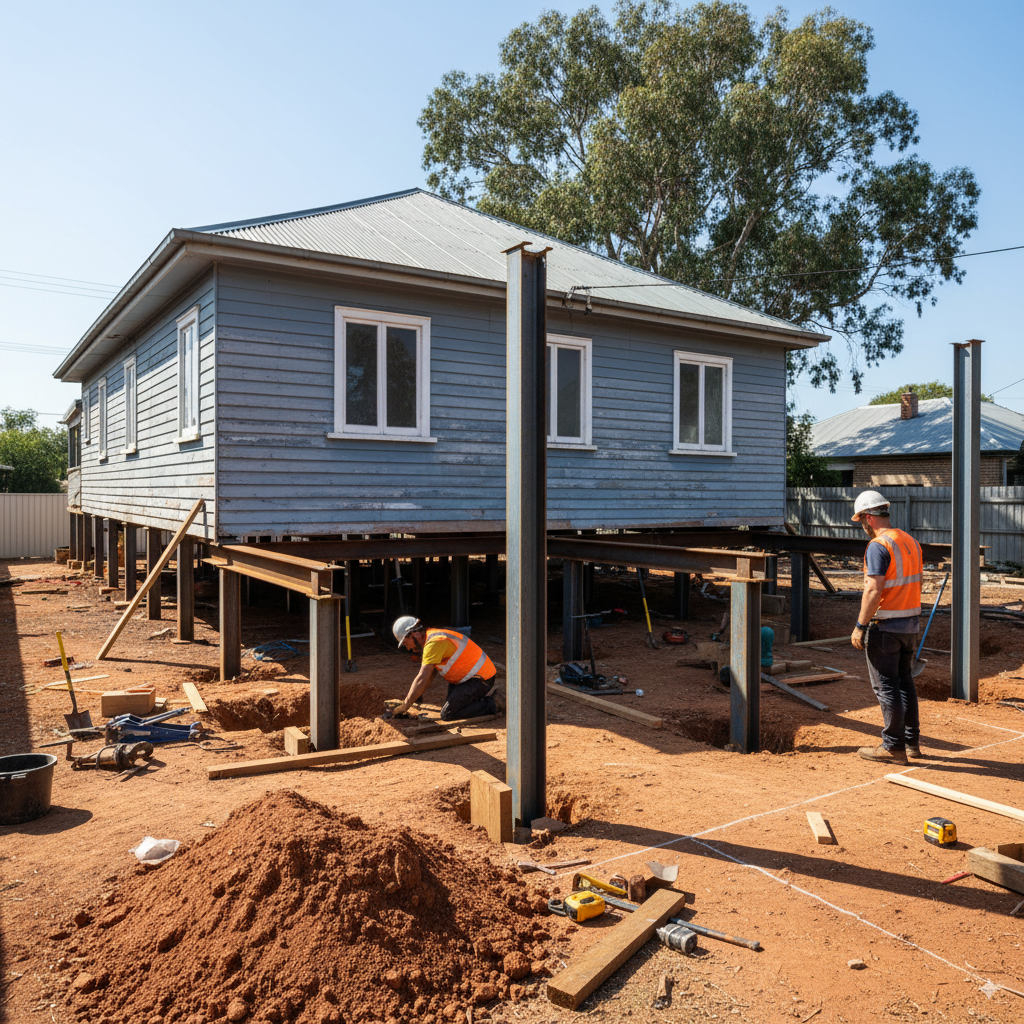
It’s common for Sydney homes, especially older ones, to experience some degree of floor movement over time. But how do you tell the difference between harmless settling and a serious structural issue that needs immediate attention? Knowing the signs early can help you avoid major repairs and keep your home safe and stable. Here’s what to look for. Understanding Normal Settling Most homes experience minor settling within the first few years after construction. This happens as the soil beneath your home naturally compresses and the structure adjusts to its load. In these cases, you might notice: Small hairline cracks in walls or floors Slight unevenness in certain areas Minor creaks or squeaks in the flooring These issues are usually cosmetic and don’t necessarily point to foundation failure. However, if the movement continues or worsens, it’s time to take a closer look. Signs the Floor Movement Is Structural If your floor feels uneven, bouncy, or noticeably sloped, it may be more than natural settling. Structural movement occurs when parts of the foundation shift, sink, or lift due to soil instability, poor drainage, or moisture issues. Common signs of structural floor movement include: Floors sloping noticeably in one direction Cracks appearing in tiles, floorboards, or concrete slabs Doors or windows that suddenly stick or won’t close properly Gaps between walls, ceilings, or skirting boards Visible separation in external brickwork or retaining walls If these symptoms are present, the foundation may be compromised and require professional assessment. Why Structural Issues Occur In Sydney, many homes are built on reactive clay soils that expand and contract with moisture changes. Periods of heavy rain or drought can cause uneven soil movement beneath your foundation, leading to sinking or heaving. Poor drainage, plumbing leaks, or nearby tree roots can also contribute to the problem. How to Confirm the Cause The best way to determine whether your floor movement is due to simple settling or a structural problem is to have a professional inspection. A qualified foundation specialist can assess the extent of the movement, identify the cause, and recommend the appropriate repair method — such as re-levelling, underpinning, or improving drainage. What You Can Do in the Meantime Monitor any cracks or uneven areas over time Keep gutters and drainage systems clear Avoid overwatering garden areas close to your home’s foundation Document changes with photos to track progression If the issues worsen, don’t delay getting expert advice. Why Homeowners Trust Sydney House Levelling At Sydney House Levelling, we specialise in diagnosing and repairing all types of foundation and floor movement issues. Our experienced team uses modern levelling and underpinning techniques to restore your home’s stability and prevent further damage. We provide: ✅ Comprehensive foundation inspections ✅ Tailored levelling and repair solutions ✅ Honest advice and transparent pricing Book an Inspection Today If you’ve noticed floor movement and aren’t sure whether it’s just settling or something more serious, contact Sydney House Levelling today. Our team will provide a thorough assessment and peace of mind knowing your home is safe and secure. 📞 Call us now or book a free inspection online.
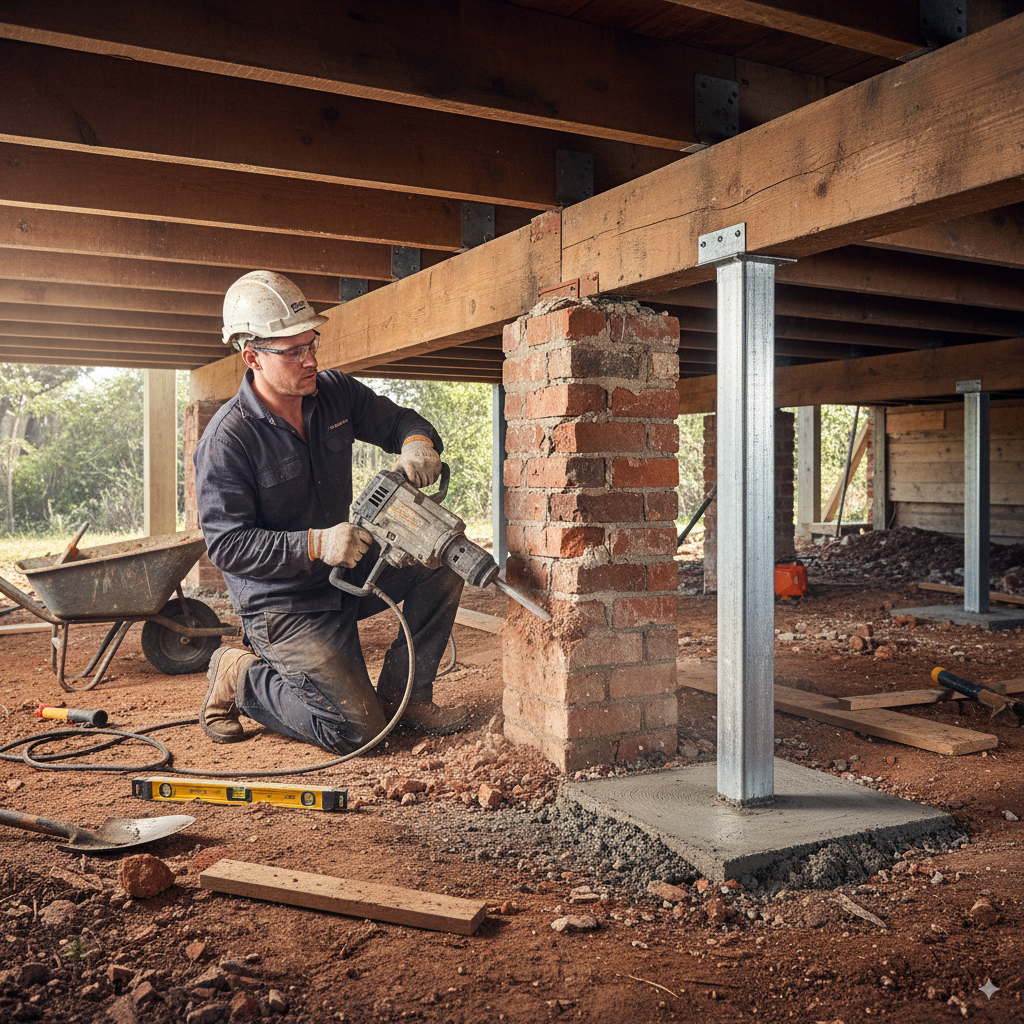
When it comes to maintaining your home’s structural integrity, your foundation plays the most crucial role. Yet, many Sydney homeowners don’t realise there’s a problem until significant and costly damage has already occurred. The good news? Early detection can save you thousands of dollars in repairs and prevent long-term structural issues. Here are some of the most common early warning signs of foundation failure you should never ignore. 1. Cracks in Walls and Floors One of the first indicators of foundation trouble is cracking, particularly around door frames, windows, and along the floor. Vertical cracks often suggest natural settling, while horizontal or stair-step cracks may point to more serious structural movement. If you notice widening cracks or new ones forming, it’s time to call in a foundation expert. 2. Doors and Windows That Stick If your doors or windows suddenly start jamming or won’t close properly, your home may be shifting unevenly. Foundation movement can cause the frames to distort, making it difficult for them to operate smoothly. 3. Uneven or Sloping Floors Walking through your home and feeling a noticeable slope is a red flag. Uneven floors may mean parts of your foundation are sinking or heaving. A levelling specialist can assess whether the problem lies in the subfloor, soil, or deeper structural issues. 4. Gaps Between Walls, Ceilings, or Floors Small gaps around your skirting boards, between walls and ceilings, or even between tiles are more than just cosmetic issues. They often signal that your foundation is shifting and pulling the structure apart. 5. Moisture or Water Damage Sydney’s fluctuating weather and clay-rich soils make homes particularly vulnerable to moisture-related foundation issues. Poor drainage or leaks around the foundation can cause soil expansion and contraction, leading to movement over time. 6. Separation Around Exterior Walls Look outside your home. If you notice the brickwork pulling away, gaps around window frames, or the foundation appearing uneven, your property could be settling on unstable soil. 7. Sagging or Bowing Walls In severe cases, you may notice walls starting to lean or bow inward. This is a clear sign of foundation failure and requires immediate attention to prevent collapse or irreversible damage. What to Do if You Notice These Signs Foundation problems don’t resolve themselves, and they only get worse over time. If you’ve noticed one or more of these warning signs, it’s important to act quickly. A professional house levelling and foundation assessment can identify the root cause and determine the most effective repair solution before the issue escalates. Why Choose Sydney House Levelling At Sydney House Levelling, we specialise in diagnosing and repairing all types of foundation issues. Our experienced team uses modern levelling and underpinning techniques to restore your home’s safety, stability, and value. We service homes across Sydney and surrounding areas, offering: ✅ Comprehensive foundation assessments ✅ Custom levelling and repair solutions ✅ Expert advice and transparent pricing Don’t Wait Until It’s Too Late If you’ve spotted early warning signs of foundation failure, contact Sydney House Levelling today. We’ll help you protect your home before minor issues turn into major structural problems. 📞 Call us now or book a free inspection online.

Your home’s foundations are what keep it safe, stable and comfortable. Over time, however, the ground beneath Sydney houses can shift due to soil movement, age, water damage or poor construction methods. When this happens, your home may need relevelling—a process that restores the structure to its proper height and stability. At Sydney House Levelling , we’ve helped homeowners across the city protect their properties with expert foundation solutions. If you’re wondering whether your house needs attention, here are five clear signs it’s time to act. 1. Cracks in Walls and Ceilings The most common warning sign is cracks that appear in plaster, brickwork or ceilings. Small hairline cracks can be normal, but if they widen over time, run diagonally, or reappear after patching, they often point to foundation movement. In suburbs with reactive clay soils, this is especially common. What to do: Don’t just patch and paint. Have a foundation expert inspect the problem to confirm whether relevelling is required before the damage spreads. 2. Uneven or Sloping Floors Do you feel like you’re walking uphill in your own living room? Uneven or sloping floors are a classic symptom of foundation movement. In some Sydney homes, you can even place a ball on the floor and watch it roll by itself. What to do: Check with a spirit level in multiple rooms. If the slope is obvious, relevelling can restore the floors and prevent further stress on walls, doors and windows. 3. Sticking Doors and Windows When a house shifts, frames twist slightly, making doors and windows difficult to open or close. You might notice doors that don’t latch properly or windows that scrape their frames. What to do: If planing or adjustments don’t solve it, the problem is likely structural. Relevelling corrects the alignment and restores smooth operation. 4. Gaps Around Skirting and Cornices Foundation movement often shows up as gaps where walls meet floors or ceilings. Skirting boards pulling away, cornices separating from ceilings, or gaps that appear around built-in furniture are all red flags. What to do: Take note of the size and progression of gaps. If they grow over time, it’s a strong sign your house is shifting and needs relevelling. 5. Water Pooling Around the Home Sydney’s heavy rainfall can cause drainage issues that wash away soil supporting your home’s foundations. If you see water pooling around the base of your house, or notice damp soil lingering long after rain, it can accelerate settlement. What to do: Fixing drainage is important, but once the foundation has shifted, only professional relevelling can return the house to a safe and stable position. Why House Relevelling Matters Ignoring foundation problems doesn’t make them go away—they almost always get worse, and more expensive, over time. Early intervention protects your investment, ensures safety, and restores comfort. Whether you live in an older Sydney property or a newer home affected by soil movement, relevelling is the proven solution. Protecting Your Sydney Home At Sydney House Levelling , we specialise in diagnosing and correcting foundation issues with professional house relevelling services. Our team has the equipment and expertise to restore your home’s stability and give you peace of mind. If you’ve noticed any of these five signs, don’t wait until the damage escalates. Call us today on +61 478 566 483 or visit us at Unit 8/14 Loyalty Rd, North Rocks NSW 2151 to arrange an inspection. FAQs What causes the need for house relevelling in Sydney? Most issues are caused by soil movement, water damage, poor drainage, tree roots, or the natural settling of older homes. How long does house relevelling take? The timeframe depends on the size of the home and the severity of movement, but most projects can be completed in days rather than weeks. Is house relevelling expensive? Costs vary, but addressing the problem early is always more affordable than waiting until structural damage worsens. Can I live in my home during relevelling? In many cases, yes. The process is designed to minimise disruption, and we’ll advise you during the inspection stage. Will relevelling stop cracks from reappearing? Relevelling addresses the cause of cracks—foundation movement. Once the house is stable, repairs to walls and finishes are far more likely to last.