Overview
Beneath the beauty of Sydney’s skyline and the bustle of its vibrant suburbs lies a problem many homeowners don’t see coming: foundations quietly sinking. Over the next five years, experts predict that thousands of Sydney homes will require leveling as soil shifts, foundations weaken, and climate pressures mount.
This isn’t just a matter of aesthetics or minor inconvenience. A sinking home threatens safety, reduces property value, and can lead to repair costs spiraling out of control. The good news? With timely intervention and the right Sydney House Leveling services, homeowners can restore stability and prevent irreversible damage.
In this guide, we’ll unpack:
- The hidden reasons Sydney homes are sinking faster than expected.
- The tell-tale warning signs of foundation issues.
- The risks of delaying Sydney House Leveling.
- Professional solutions to restore and secure your home.
- A real-world case study of Sydney House Leveling in action.
- How to protect your property now and into the future.
Why Are Sydney Homes Sinking?
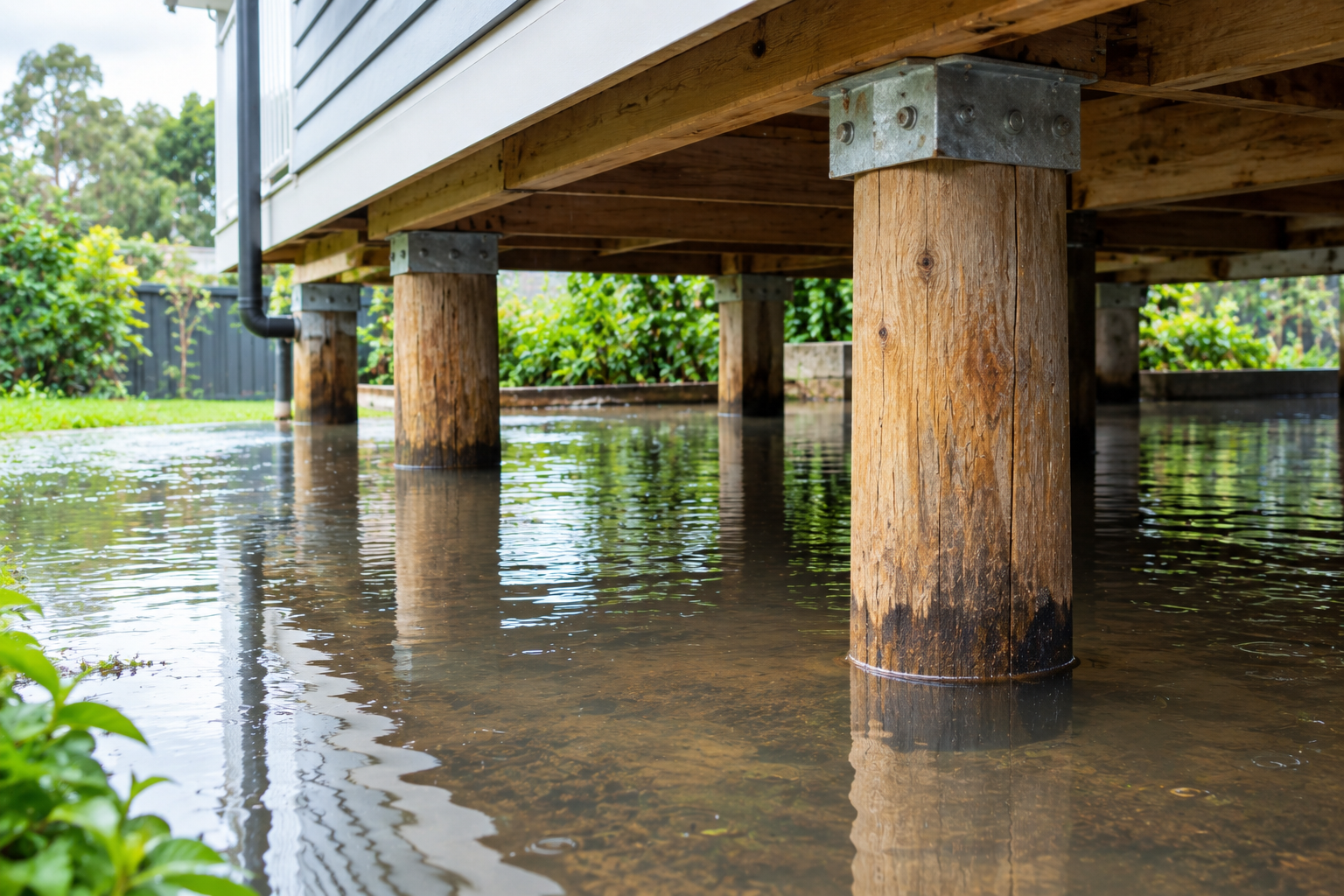
Sydney’s foundations are literally shifting. This isn’t a sensational claim its science. The city’s geology plays a major role in this problem. Many Sydney suburbs are built on clay-rich soils, which expand during heavy rain and contract dramatically during drought. This constant movement places enormous stress on foundations.
Combine this with:
- Ageing housing stock – homes built decades ago are especially vulnerable.
- Rapid urban expansion – construction and excavation nearby can destabilize soil.
- Climate change – harsher droughts followed by heavy rainfall intensify soil movement.
The result? Homes shift unevenly, leading to sinking sections, cracking walls, warped frames, and sloping floors. Engineers estimate that within five years, a growing number of Sydney homes will need Sydney House Leveling just to remain safe and habitable.
The Warning Signs of a Sinking Home
Not every crack in your wall is cause for alarm but some are clear red flags. Knowing what to look for can make the difference between a simple repair and a costly rebuild.
Key warning signs include:
· Diagonal cracks around doors and windows: These usually signal uneven foundation movement.
· Sloping floors or uneven surfaces: If furniture looks off-kilter, it’s often not your eyes it’s the floor.
· Doors and windows that stick or jam: Shifting frames mean shifting foundations.
· Gaps forming between walls and ceilings or skirting boards and floors.
· Noticeable sinking at the base of the home: Often visible along external walls.
If these symptoms appear, it’s time to call a Sydney House Leveling professional for a thorough inspection. Early action is always cheaper and safer.
The Risks of Ignoring Foundation Problems
When it comes to foundations, procrastination is costly. Homeowners who delay leveling services often face escalating damage that’s more expensive and disruptive to fix.
1. Safety Risks
A sinking foundation compromises the structural integrity of your home. Walls can buckle, floors collapse, and in severe cases, parts of a home may become uninhabitable. Families are put at risk every day the issue goes unchecked.
2. Reduced Property Value
Visible foundation damage instantly devalues property. Cracks, gaps, and uneven floors deter buyers and make selling extremely difficult. Even if a sale goes through, expect reduced offers and tough negotiations.
3. Soaring Repair Costs
What starts as a $10,000 leveling project can balloon into $80,000+ if ignored. Left unchecked, foundation issues can demand major reconstruction or total rebuilds.
4. Insurance Complications
Many insurance policies exclude damage caused by gradual soil movement. Failing to address signs promptly may leave homeowners footing the full repair bill. Sydney House Levelling carried out early can prevent claims being denied.
Professional Sydney House Leveling Solutions
Not all foundation problems are created equal, and neither are the solutions. That’s why professional assessment is crucial. Sydney House Leveling experts use advanced methods tailored to the property’s soil type, foundation design, and level of damage.
Common Solutions Include:
- Underpinning: Extends foundations deeper into stable soil layers. Best for serious structural sinking.
- Resin Injection: Expanding resin is injected under foundations, lifting and re-levelling the home. It’s less invasive and highly effective for moderate sinking.
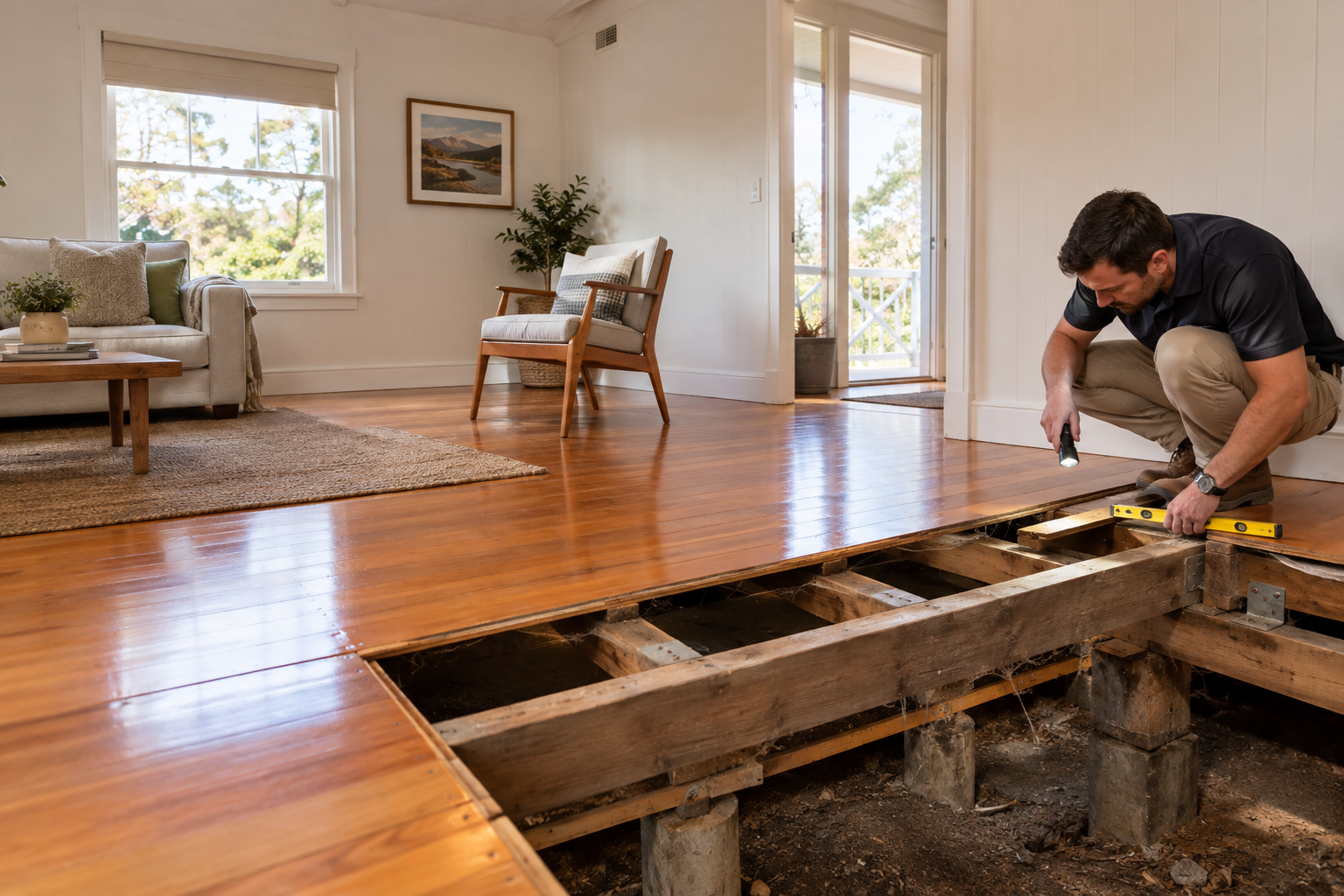
- House Raising & Restumping: For older homes with timber stumps, this process involves lifting the house and replacing deteriorated stumps with durable materials.
Each of these techniques restores balance and provides long-term protection against future soil movement. A professional Sydney House Leveling team will recommend the most cost-effective and reliable option for your property.
Case Study: Western Sydney Family Saves Their Home
In 2023, a family in Western Sydney noticed their living room wall developing cracks. At first, they dismissed it as cosmetic damage. But soon, doors jammed, and the floor tilted noticeably. Alarmed, they contacted a Sydney House Leveling service.
Inspection revealed that the front half of their home had sunk 40mm due to soil shrinkage. Engineers acted quickly, using a combination of resin injection and underpinning to stabilize the structure. The entire project was completed in under three weeks.
The family avoided a potential $120,000 rebuild and restored peace of mind. Their experience highlights a powerful lesson: acting quickly with Sydney House Leveling is always cheaper and safer than waiting.
How to Protect Your Property Before It’s Too Late
Foundation problems may feel overwhelming, but prevention and early action make all the difference. Here’s how homeowners can stay ahead:
- Schedule routine inspections: Older homes (20+ years) should be checked every few years.
- Monitor visible cracks: Take photos and track their progression.
- Fix drainage issues promptly: Ensure water flows away from your home’s foundations.
- Avoid DIY fixes: Cosmetic patching won’t address underlying structural movement.
- Consult experts early: A quick call to a Sydney House Leveling team can prevent tens of thousands in damages.
The Future of Sydney Housing Stability
Sydney’s foundation crisis isn’t going away, it's growing. Climate experts warn that soil instability will worsen as weather patterns intensify. Longer droughts followed by heavy rainfall will stress foundations beyond their limits.
Over the next five years, demand for Sydney House Leveling services will soar. Waiting until cracks become catastrophic is no longer an option. Homeowners who act now will secure both their family’s safety and the long-term value of their property.
Conclusion: Don’t Wait Until It’s Too Late
Sydney’s sinking secret is out: thousands of homes are on unstable ground, and time is running out to act. What may look like a minor crack today could become a collapsed floor or unstable wall tomorrow. The solution lies in timely, professional intervention.
With expert Sydney House Leveling services, homeowners can:
- Restore their home’s stability.
- Safeguard their family.
- Protect property value.
- Avoid astronomical repair costs.
If you’ve noticed warning signs or want peace of mind now is the time to book a professional inspection. Don’t let your most valuable asset slip away beneath your feet.