If you’ve just had your home relevelled — or you’re thinking about getting it done — it’s totally fair to ask: Will this fix last? After all, house relevelling isn’t a small job, and most homeowners want the peace of mind that it won’t need doing again anytime soon.
The good news? In most cases, yes — relevelling your home can be a long-term solution. But whether or not it’s permanent depends on a few key factors. Let’s break it down.
What Does Relevelling Actually Fix?
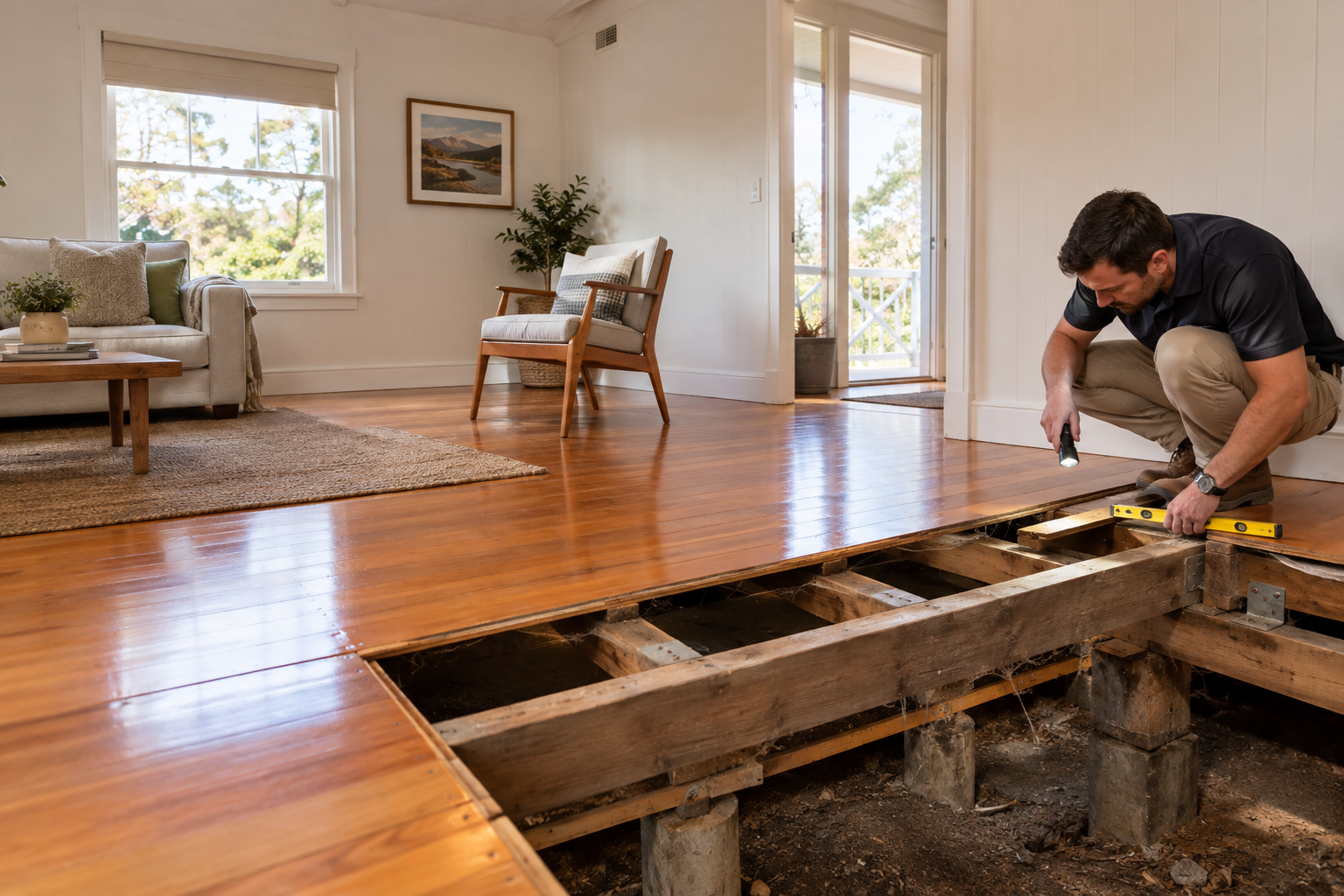
House relevelling corrects structural movement caused by foundation issues. That could mean:
- Lifting and realigning parts of the home
- Replacing failing timber or concrete stumps
- Underpinning the slab or footings
- Applying floor levelling compounds for surface corrections
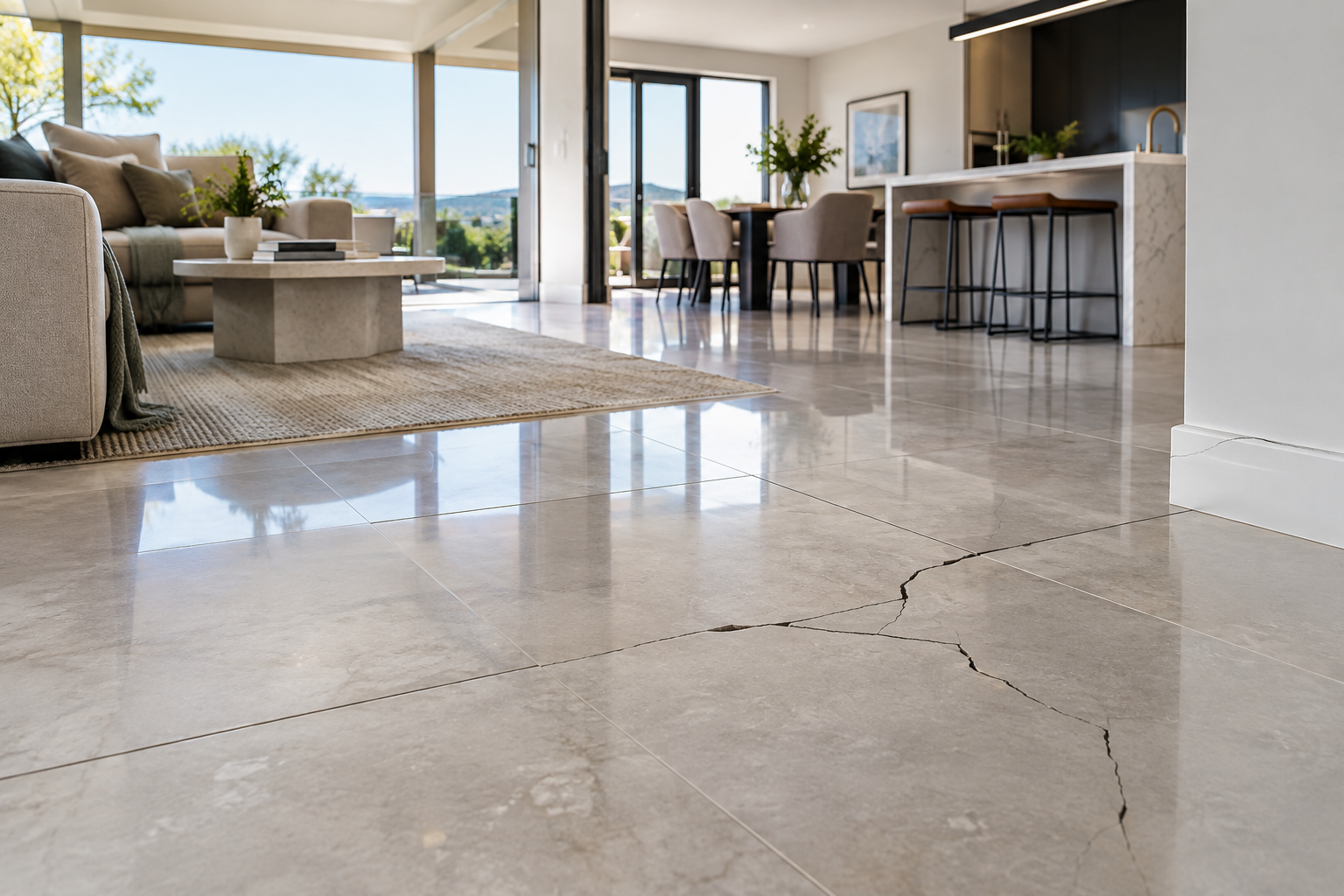
The goal is to return your home to a stable, level condition — and stop the problems caused by movement (like cracks, bouncing floors, or doors that don’t shut).
When Is Relevelling a Permanent Fix?
Relevelling is usually a permanent fix if:
The cause of movement is properly addressed
If the issue was due to rotted stumps or poorly supported footings, and those supports are fully replaced with quality materials (like galvanised steel or concrete), you’re unlikely to have problems again.
The soil is stable post-repair
If proper drainage is installed and reactive soils are managed (common in many Sydney suburbs), the risk of future movement is reduced.
The job was done by experienced professionals
Not all structural levelling jobs are equal. A well-planned, carefully executed repair using high-grade materials will outlast a rushed or DIY job every time.
When Might Future Movement Still Occur?
While most house relevelling Sydney jobs are built to last, there are cases where future movement can still happen — especially if external conditions change.
1. Reactive Soil Conditions
Sydney’s clay soils expand and shrink with moisture levels. If drainage isn’t managed or trees are too close, the soil can move again, even after a good levelling job.
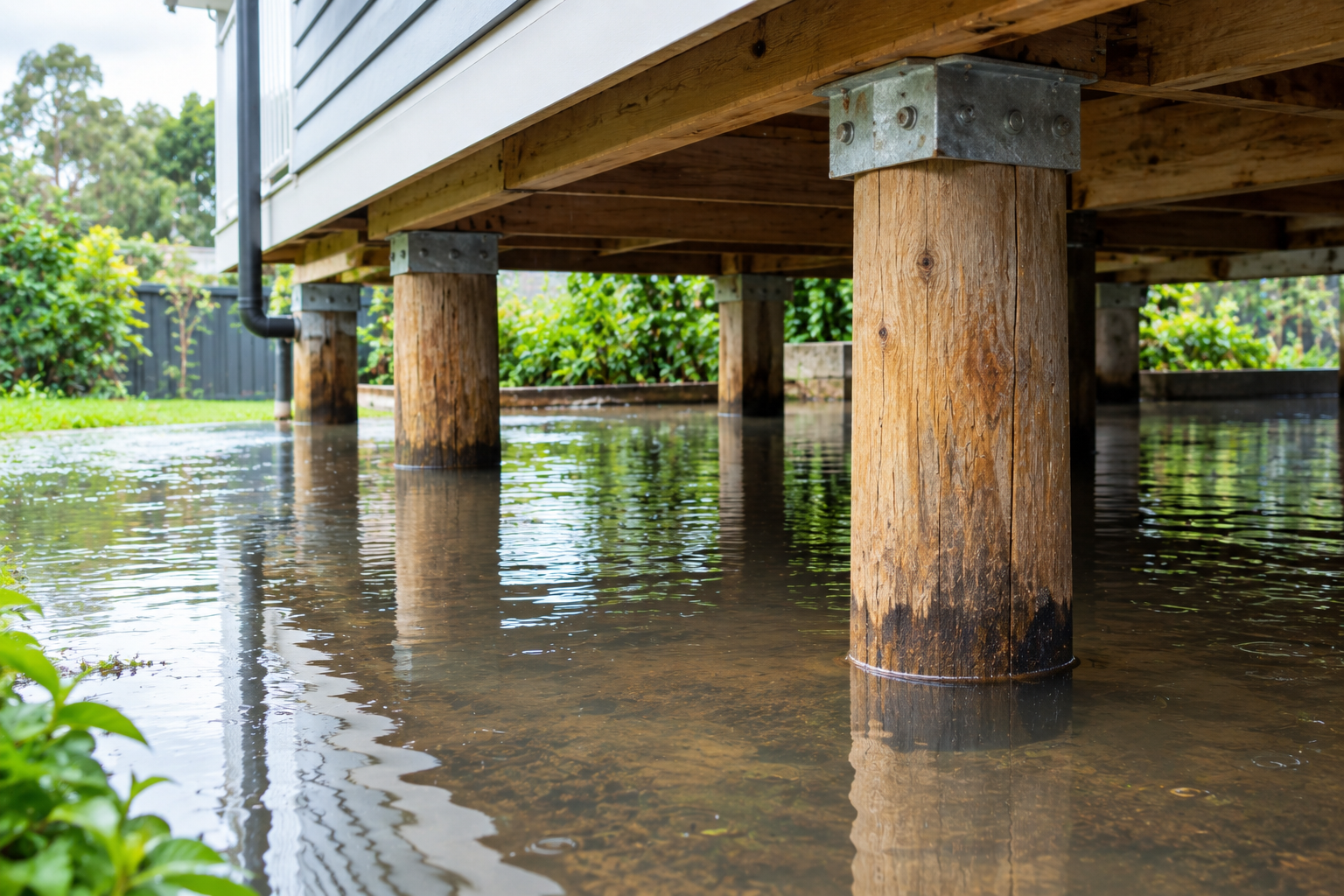
2. Poor Drainage or Plumbing
Leaking pipes or blocked stormwater can cause erosion under your foundation. If these aren’t fixed at the time of relevelling, problems may return.
3. Heavy Renovations After Levelling
Adding a second storey or extension without checking the balance of the structure can throw everything out again. Always consult your levelling contractor before you renovate.
4. Natural Settlement Over Decades
Even the best repair won’t stop nature completely. Over 30+ years, it’s normal for homes to experience some settling — but the goal is to prevent serious movement.
How to Make Sure Your Relevelling Stays Solid
Want your relevelling work to last long-term? Here’s what we recommend:
- Ensure proper drainage around your home (gutters, downpipes, stormwater)
- Remove invasive tree roots near foundations
- Keep subfloor areas well ventilated and dry
- Avoid placing heavy loads on unsupported sections of flooring
- Follow up with your contractor for occasional checks — especially if new issues appear
Built to Last — Backed by Our Guarantee
At
Sydney House Leveling, we don’t believe in quick fixes. Our relevelling solutions are designed to solve the root cause, using long-lasting materials and proven techniques.
We offer:
- Free onsite inspections
- Honest advice on whether your home really needs levelling
- Written warranties on our work
- Follow-up support if needed
Let’s make sure your home gets level — and stays that way.