
The Risks of Delaying Underpinning Repairs

August 11, 2025

Noticed cracks in your walls? Doors sticking? Uneven floors? These are early signs of foundation problems—and if you delay repairs, you could be setting yourself up for bigger headaches (and costs) down the track.


For Sydney homeowners, where reactive clay soils and changing weather conditions often cause foundation movement, underpinning can be the difference between a stable home and major structural damage.


Here’s why delaying underpinning repairs is never a good idea.


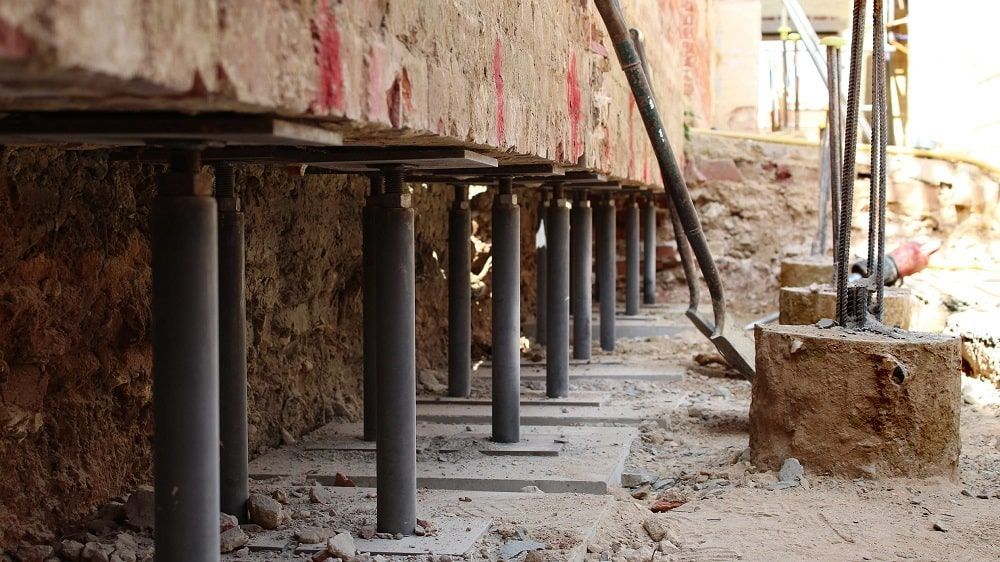
Metal support columns bracing a damaged concrete structure at a dusty construction site

1. Small Problems Quickly Become Big (and Expensive)

Foundation movement doesn’t fix itself. Cracks widen, floors slope further, and walls shift over time as the soil continues to move.


What might have been a relatively simple house leveling job today could turn into a full-scale underpinning projectlater—costing you significantly more.


2. Structural Damage Can Become Irreversible

The longer you wait, the worse the structural damage gets. Brickwork can crumble, windows and doors can warp, and walls may bow or tilt. In extreme cases, the stability of the entire house can be compromised, making repairs more complex—or even impossible without major reconstruction.


3. Safety Risks for Your Family

A compromised foundation isn’t just an aesthetic issue; it’s a safety concern. Loose bricks, cracked walls, and uneven flooring can pose risks to you and your family, especially if the movement continues unchecked.


4. Reduced Property Value

Buyers and property inspectors notice foundation problems immediately. A home with visible cracks or sloping floors is harder to sell and will likely fetch a lower market price—or worse, scare buyers away entirely.


5. Water Damage and Pest Problems

Foundation cracks create entry points for water leaks, termites, and other pests. Once moisture gets into the foundation, you could be dealing with mould, rot, or costly water damage on top of your underpinning repairs.


6. Higher Costs Over Time

What starts as a minor leveling issue might only require a quick adjustment now. But delay it long enough, and you could be looking at extensive underpinning, structural reinforcement, and even interior repairs—multiplying your costs.


Act Early – Save Money and Stress

If you’ve spotted any of these warning signs—cracks, sinking floors, sticking doors, or uneven walls—don’t wait. A professional assessment will determine whether you need underpinning or if simple house leveling can fix the problem.


Talk to Sydney’s House Leveling and Underpinning Experts

Protect your home before the damage gets worse. Our team specialises in foundation repairs for Sydney homes, from minor leveling adjustments to full underpinning solutions.

📞 Call us today for an inspection and get peace of mind knowing your home is safe and stable.


Illustrative Sydney homeowner noticing an uneven or sloping floor
By Joshua Reti • October 21, 2026
Uneven floors do not always require an engineer. Learn when to start with a foundation assessment and when a Sydney home needs structural advice.
Illustrative Sydney homeowner noticing an uneven or sloping floor
By Joshua Reti • October 19, 2026
Learn when a sloping floor may be normal, what building tolerances mean, how to measure change and when a Sydney home needs a foundation assessment.
Illustrative Sydney house inspection concept showing areas checked for movement
By Joshua Reti • October 16, 2026
Door suddenly sticking? Learn how humidity, hinges and foundation movement differ, what to check and when Sydney homeowners should arrange an assessment.
By Joshua Reti • October 11, 2026
Damp underfloor space despite wall vents? Learn how airflow, leaks, drainage and ground moisture interact, and what Sydney homeowners should check first.
Sydney home exterior and foundation inspection illustration
By Joshua Reti • October 11, 2026
Learn how nearby trees may affect Sydney home foundations, what else can cause movement, and what to check before cutting roots or removing a tree.
Illustration of water beneath a raised home
By Joshua Reti • October 6, 2026
Should drainage repairs happen before house levelling? Learn how Sydney homeowners can assess water problems, plan repairs and avoid treating symptoms alone.
General home exterior and crack inspection illustration
By Joshua Reti • October 6, 2026
Sloping floors or recurring cracks in a Newtown terrace? Learn what to check, how assessments guide repairs, and what heritage and access mean for planning.
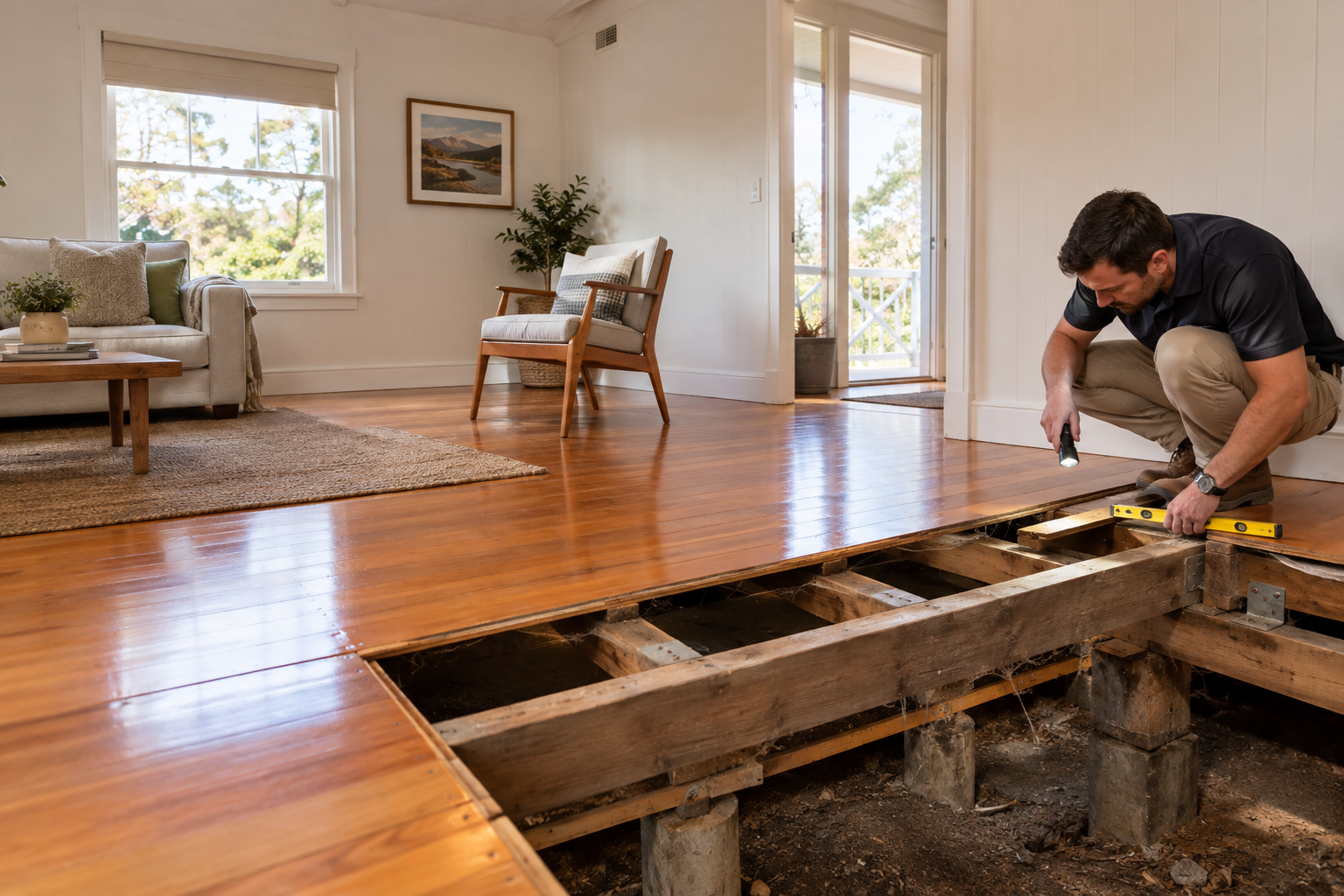
Worker inspecting a damaged hardwood floor with a large hole in a bright living room
By Joshua Reti • September 21, 2026
Bouncy floors without wall cracks can still indicate foundation or sub-floor issues. Learn the causes, warning signs and when to consider house levelling in Sydney.
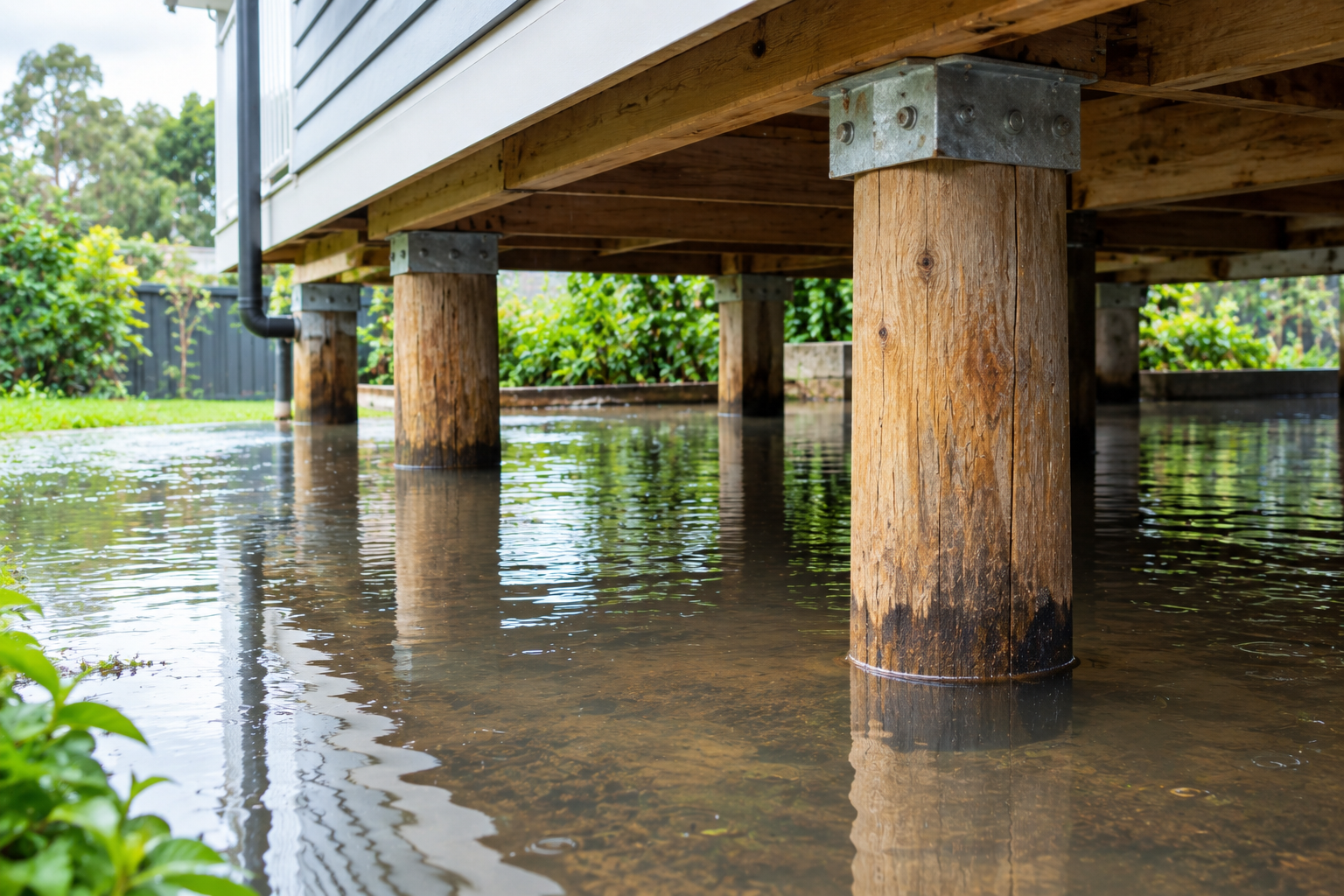
Floodwater beneath a raised house, with wooden support posts standing in shallow water.
By Joshua Reti • September 15, 2026
Discover how recurring water under your home can damage timber stumps, cause foundation movement and lead to costly repairs. Learn when to book a foundation inspection in Sydney.

Modern living room with glossy stone floor, sofa, dining area, and open view to a balcony
By Joshua Reti • September 7, 2026
Seeing cracked tiles after renovation? Learn how foundation movement, uneven floors and structural issues can cause new tiles to crack and when Sydney homeowners should consider a professional foundation assessment.
Show More